Knee Ligaments: The Hidden Power Behind Every Strong Step
The knee ligaments are the unsung heroes of movement—fibrous bands that connect bone to bone, providing stability, balance, and power. Without healthy knee ligaments, even simple activities like climbing stairs or bending down can feel impossible. Whether you’re an athlete, a fitness enthusiast, or someone recovering from injury, understanding these vital structures can mean the difference between mobility and pain.
In this guide, you’ll uncover eight powerful secrets to bulletproof your knees and keep your knee ligaments strong, flexible, and injury-free for life.
1. The Anatomy Behind Knee Ligaments
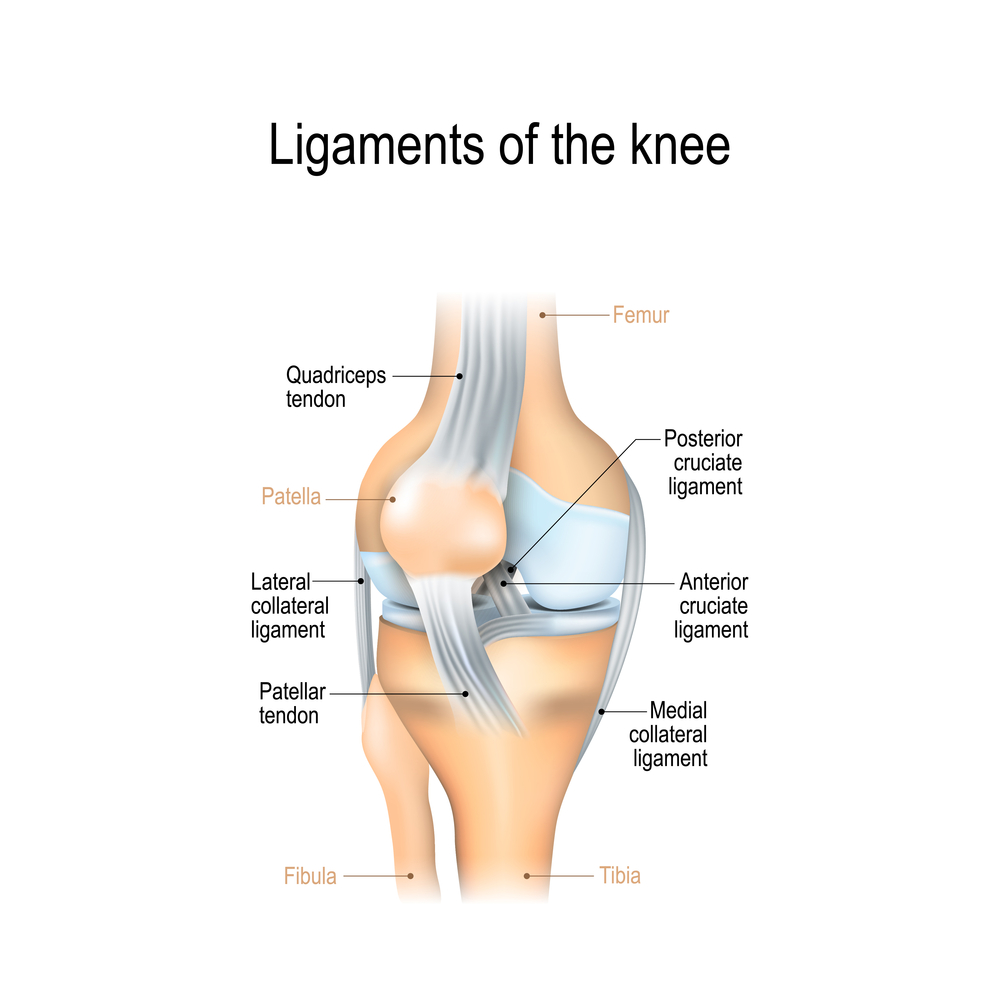
The human knee relies on four main knee ligaments that act like internal seatbelts. These include the anterior cruciate ligament (ACL), posterior cruciate ligament (PCL), medial collateral ligament (MCL), and lateral collateral ligament (LCL). Together, they stabilize the knee, guide motion, and prevent dislocation.
The ACL prevents your shinbone from sliding forward, while the PCL prevents it from sliding backward. The MCL and LCL protect the knee from side-to-side movements. When any of these knee ligaments are stretched or torn, stability is lost, leading to pain, swelling, and weakness. Understanding their anatomy helps you appreciate why protecting them is essential for lifelong joint strength.
2. Why Knee Ligaments Are Crucial for Motion and Balance
Think of knee ligaments as sensors that communicate with your brain. They constantly send feedback about your leg’s position, helping you move efficiently and react quickly. This function, known as proprioception, is what keeps you balanced when you walk on uneven ground or pivot suddenly.
Strong knee ligaments absorb impact and reduce stress on surrounding cartilage. Weak or damaged ligaments, however, throw off balance and coordination, increasing your risk of falls or chronic joint conditions. When you build strength and stability around your knee ligaments, every movement becomes smoother and safer.
3. Common Injuries
Sports and sudden movements are the biggest threats to knee ligaments. ACL tears often happen during abrupt stops or pivots, while MCL injuries occur from blows to the side of the knee. PCL damage can result from a hard fall or car accident.
Typical symptoms include a popping sound at the time of injury, rapid swelling, and instability when bearing weight. Ignoring these signs can lead to long-term joint degeneration. Even minor sprains of the knee ligaments should be addressed early to prevent permanent weakness or arthritis.
4. Treatment and Recovery for Damaged Knee Ligaments
When knee ligaments are injured, treatment depends on severity. Mild sprains can heal with conservative methods like rest, ice, compression, elevation, and targeted therapy. More serious tears, particularly of the ACL or PCL, may require reconstructive surgery.
Modern techniques use tissue grafts or donor ligaments to restore natural function. Post-surgery rehabilitation focuses on rebuilding strength and regaining motion. Commitment to rehab exercises is critical; skipping them can delay healing and limit future mobility. By rebuilding your knee ligaments through structured recovery, you can return stronger than before.
5. Preventing Injuries
Prevention is the true secret to bulletproofing your knees. Start by strengthening the muscles that support your knee ligaments—especially your quadriceps, hamstrings, and calves. These muscles act like armor, absorbing shock and reducing ligament stress.
Flexibility training also plays a vital role. Regular stretching prevents stiffness and keeps knee ligaments supple. Incorporate exercises like balance drills, lunges, and stability ball workouts to improve coordination. Always warm up before sports and cool down afterward to protect against sudden strain. Remember, consistency in prevention today saves years of pain tomorrow.
6. The Power of Rehabilitation and Progressive Training
After injury, rehabilitation restores not only strength but also confidence in movement. A comprehensive rehab plan gradually reintroduces load-bearing exercises, teaching the knee to function naturally again. Early rehab emphasizes gentle mobility and reducing inflammation; later stages focus on resistance training and dynamic movements.
Progressive overload—adding controlled intensity over time—helps rebuild the knee ligaments and surrounding tissues. Many athletes make the mistake of rushing recovery, which often leads to re-injury. Slow, consistent progress ensures the ligaments adapt safely and regain their full tensile strength. Think of rehabilitation as retraining the body to trust the joint again.
7. Advances in Regenerative Medicine and Surgical Techniques
Modern medicine has revolutionized how we treat knee ligaments. Arthroscopic surgeries are minimally invasive, reducing scarring and recovery time. Surgeons can now reconstruct torn ligaments with precision, often resulting in better-than-original strength.
Even more exciting are regenerative treatments like platelet-rich plasma (PRP) therapy and stem cell injections. These innovations use the body’s own healing mechanisms to repair microtears and accelerate recovery. Research shows that combining these methods with physical therapy dramatically enhances ligament healing outcomes. As science advances, we move closer to a future where most knee ligament injuries may heal without major surgery.
8. Long-Term Strategies for Bulletproof Knee
The final secret is long-term care. Protecting your knee ligaments is a lifelong commitment. Regular strength training, maintaining a healthy body weight, and eating a diet rich in collagen-supporting nutrients all contribute to joint health. Foods high in vitamin C, zinc, and protein strengthen connective tissue and speed repair.
Low-impact exercises like swimming, cycling, and yoga build endurance without excessive stress. Incorporate rest days to allow recovery and avoid overtraining. Listen to your body—pain or swelling is a warning sign, not something to push through. With proper care, your knee ligaments can remain strong well into old age, supporting an active and pain-free life.
The Takeaway: Building Strong, Resilient Knee Ligaments for Life
Healthy knee ligaments are the foundation of every stable and confident step. They enable motion, protect bones, and act as shock absorbers for the entire lower body. Whether you’re an elite athlete or simply someone who values movement, protecting these vital structures ensures longevity, flexibility, and performance.
Investing in your knee ligaments is an investment in your freedom. Focus on balance, strength, and prevention—not just recovery. By understanding how these powerful connective tissues work, you can keep your knees bulletproof for life.


